How to Care for Custom Reusable Bags: Washing, Drying and Storage by Material
To care for custom reusable bags, wash cotton totes cold and inside out, spot clean jute shoppers, wipe non-woven and insulated cooler bags, and always air dry before storing flat in a cool, dry place. Customized Reusable Bags offers each of these styles, and the right care routine keeps both the bag and your printed logo looking new.
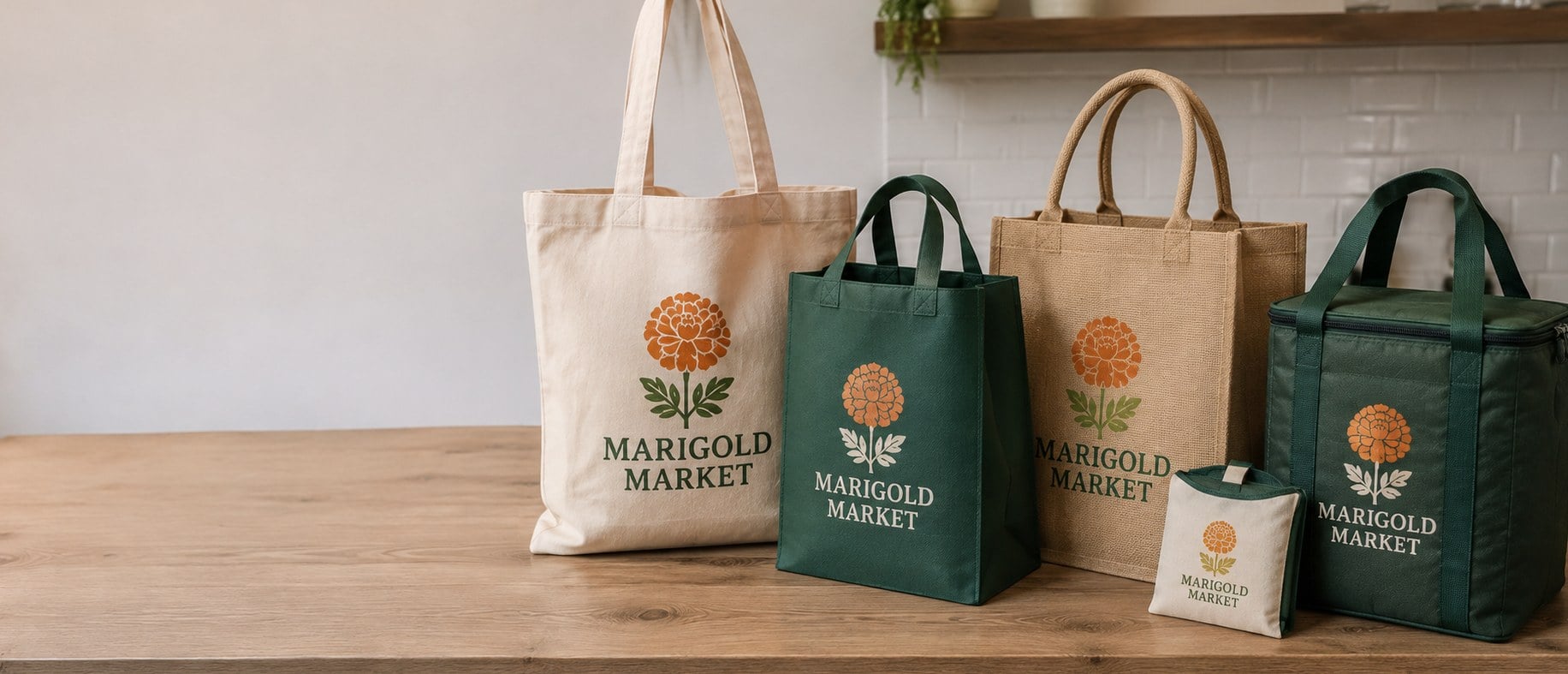
- Cotton totes: cold wash, inside out, air dry
- Jute shoppers: spot clean only, never soak
- Insulated cooler bags: wipe the lining and dry unzipped
- Store leftover bags dry, flat and out of direct sun
- Free mockup within 24 hours, pay nothing until you approve
How do you care for custom reusable bags so they last?
Caring for custom reusable bags comes down to three habits: clean each bag the way its material prefers, let it dry completely before folding it away, and store it flat or loosely rolled in a cool, dry place. Cotton, jute, non-woven and insulated bags each respond differently to water, heat and pressure, so one routine does not fit every style.
The good news is that none of this is complicated. Most damage to a branded bag comes from a few avoidable moments: a hot dryer, a bag folded while still damp, a heavy load dragged across pavement, or a stack of bags crushed in a hot car trunk. Avoid those and a well-made bag keeps its shape and its logo for a long time.
This guide walks through care by material, what helps a printed logo stay crisp, how to store leftover bags between events, and what to tell the people who receive your bags. If you are still choosing a style, the material you pick now decides how much care the bag will need later, so it is worth reading before you request a quote.
Which reusable bag material is easiest to care for?
Non-woven grocery totes and foldable pocket totes are usually the easiest reusable bags to care for, because a damp cloth handles most spills and they dry quickly. Cotton totes are close behind, since many can be hand washed or gently machine washed. Jute shoppers and insulated cooler bags need the most attention, mainly because water and heat change their structure.
The table below summarizes how each style on the site generally responds to everyday cleaning. Always follow any care label sewn into the finished bag, since construction details can vary between products.
| Bag style | Everyday cleaning | Avoid | Best storage |
|---|---|---|---|
| Cotton tote | Cold hand wash or gentle cycle, inside out | Hot water, bleach, tumble drying on high | Folded flat, fully dry |
| Jute shopper | Spot clean with a damp cloth, brush off dust | Soaking, machine washing, wringing | Standing or flat, never crushed |
| Grocery tote (non-woven) | Wipe down with mild soap and water | Ironing, high heat, harsh solvents | Flat stack, away from sun |
| Insulated cooler bag | Wipe the lining after every use, air dry open | Submerging, storing closed while damp | Unzipped, in a dry spot |
| Drawstring bag | Cold gentle wash or spot clean | High heat, pulling cords to lift heavy loads | Folded, cords loosened |
| Foldable pocket tote | Wipe or rinse, dry before folding into pouch | Packing it away wet | Folded into its pouch |

How should you wash a custom cotton tote bag?
Wash a custom cotton tote bag in cold water, turned inside out, either by hand or on a gentle machine cycle, then air dry it flat or on a hanger. Cold water limits shrinkage and protects the printed logo, while turning the tote inside out keeps the print from rubbing against other items in the drum.
Skip bleach and strong stain removers, because they can fade both the fabric and the ink. If a tote has a stubborn mark, treat that spot with a little mild detergent and a soft brush before washing. Avoid ironing directly over the print; if the tote needs pressing, iron it inside out on a low setting or place a cloth between the iron and the design.
Natural cotton softens and relaxes with use, which many people like. Expect some slight change in feel after the first wash, and let the tote dry completely before folding it, since folded damp cotton can develop mildew and permanent creases. You can see the styles available on the custom cotton tote bags page.
Can you wash a jute reusable bag?
A jute reusable bag should be spot cleaned rather than washed. Jute is a natural plant fiber that softens, loses its structure and can shrink unevenly when soaked, so the best routine is to brush off dry dirt, then dab any marks with a cloth dampened in mild soapy water and let the shopper air dry standing open.
Many jute shoppers have a laminated inner lining, which makes them sturdier and helps them shrug off small spills. Wipe that lining with a damp cloth after carrying produce or anything messy. Never wring a jute bag or put it in a dryer, since twisting and heat both break down the fibers.
Jute also has a natural earthy scent that fades over time. Airing the bag outdoors in shade for an afternoon helps, while direct strong sun for long periods can dry the fibers and dull the print. If your audience will carry heavy, wet or muddy items every week, compare jute with cotton before ordering; the jute vs. cotton reusable bags guide covers that choice, and the custom jute shopper bags page shows the styles.
How do you clean an insulated cooler bag without damaging it?
Clean an insulated cooler bag by wiping the inner lining with warm water and a little mild soap after every use, rinsing the cloth, wiping again, and leaving the bag unzipped to air dry. Never submerge an insulated cooler bag or put it in a washing machine, because water trapped in the foam layer is slow to dry and can cause odors.
Food spills are the main risk. Deal with them the same day, especially dairy, meat juices and fruit, since they leave smells behind if they sit. For lingering odors, a light wipe with a mild baking soda and water mix, followed by a clean damp cloth, usually freshens the lining.
The outer printed panel needs only a gentle wipe. Store the cooler bag open, or at least with the zipper partly open, so moisture can escape. A cooler bag stored zipped shut while slightly damp is the most common reason recipients stop using one. Styles are on the custom insulated cooler bags page.
What keeps the printed logo on a reusable bag looking sharp?
The printed logo on a reusable bag stays sharp longest when the bag avoids heat, abrasion and harsh chemicals. Cold washing, air drying, no bleach and no direct ironing over the design protect screen-printed and transfer-printed artwork alike, while keeping bags from rubbing against rough surfaces protects the edges of the print.
Your choices at the ordering stage matter as well. A few habits help a design age gracefully:
- Match the method to the material. Some decoration methods suit textured fabrics like jute better than others, which the mockup stage helps you confirm.
- Keep fine details reasonable. Very thin lines and tiny text are the first parts of any print to soften with use.
- Place the logo where hands do not grip. A design centered on the panel lasts longer than one close to the handles.
- Choose contrast that tolerates dirt. Darker bags with light ink hide everyday marks better than pale bags on heavy-duty jobs.
Customized Reusable Bags sends a free mockup within 24 hours, so you can review placement and sizing with these points in mind before anything is printed.
How should you store leftover branded reusable bags between events?
Store leftover branded reusable bags clean, completely dry, and flat or loosely folded in sealed boxes or bins, in a cool indoor space away from direct sunlight. A climate-controlled office closet beats a garage, shed or vehicle, where heat and humidity can warp non-woven fabric, encourage mildew on cotton and jute, and fade printed colors.
A few storage habits make the next event easier:
- Count and label each box with the bag style and design, so you can see stock at a glance.
- Keep the original cartons where possible; they are sized to protect the bags.
- Do not stack heavy items on top of jute shoppers, which can crush and crease permanently.
- Leave insulated cooler bags partly unzipped, even in storage.
- Check a box every few months for dampness or pests, especially for natural fibers.
Good storage also protects your brand. A bag handed out a season later should look as fresh as the first one, and a creased or musty bag says more about your organization than the logo does.
Should you include care instructions when you give away reusable bags?
Including simple care instructions with giveaway reusable bags is worth doing, because recipients who know how to clean a bag keep using it, and every reuse puts your logo in front of new people. A short line on an insert card, a hang tag or a printed message on the bag itself is enough to make a difference.
Keep the message to one or two sentences that match the material. For cotton totes, something like wash cold, inside out, and hang to dry covers it. For jute shoppers, spot clean only. For cooler bags, wipe the lining and dry it open. If you are building gift kits, the insert can sit alongside the other items, and the custom reusable bags for hotels and resorts page shows how guest-facing programs present bags as amenities.
You can ask for care wording to be considered during the design stage. Customized Reusable Bags offers unlimited free revisions, so adding or adjusting a small message on the mockup does not slow the project down.
Which reusable bag style should you choose if low maintenance matters most?
If low maintenance matters most, choose a non-woven grocery tote or a foldable pocket tote for everyday shopping, and a cotton tote when people will want to machine wash the bag. Choose jute when appearance and structure matter more than washability, and an insulated cooler bag only when people will actually carry cold food or drinks.
Think about how your audience will really use the bag. A grocery store giveaway sees spills and repeated trips, so wipe-clean surfaces help. A conference bag is mostly carried, so cotton or a custom drawstring bag works well. A boutique wants a bag that looks premium for a long time, which often points to cotton or jute.
You do not have to settle on one style. One project can include more than one bag, and you only pay once you approve the design. Standard turnaround is about 2 weeks after approval, with faster turnaround available through express shipping. Start with the quote form, or read how it works first.
Frequently asked questions
Can custom reusable bags go in the dryer?
Custom reusable bags generally should not go in a hot dryer. Heat can shrink cotton, weaken jute fibers, warp non-woven fabric and soften printed ink. Air drying flat or on a hanger is the safer routine for every style. If a cotton tote must be machine dried, use the lowest heat setting and remove it while still slightly damp, then let it finish drying in open air.
How often should a reusable grocery bag be cleaned?
A reusable grocery bag should be cleaned whenever it carries raw meat, leaking produce or anything that spills, and given a routine wipe or wash every few weeks of regular use. Keeping separate bags for raw foods and dry goods helps. Customized Reusable Bags offers several grocery-friendly styles, and wipe-clean surfaces make this routine quick for recipients who shop every week.
Will a cotton tote bag shrink after washing?
A cotton tote, like many natural-fiber reusable bags, can shrink slightly if washed in hot water or dried on high heat, since natural cotton fibers tighten with heat. Washing in cold water and air drying keeps shrinkage minimal and protects the printed logo. Expect the fabric to soften and relax a little with use, which most people see as a feature of natural cotton rather than a flaw.
How do you remove a musty smell from a jute shopper?
A jute shopper or other natural-fiber reusable bag with a musty smell should be aired out in shade on a dry day, with the bag standing open so air reaches the inside. Wipe any laminated lining with a cloth dampened in mild soapy water and let it dry fully. Avoid soaking the bag, since water deepens odors in natural fibers. Store jute in a dry spot to prevent the smell returning.
Can insulated cooler bags be used for hot food as well as cold?
Insulated cooler bags, unlike other reusable bags, can help keep warm food warm on a short trip, because the insulation slows heat transfer in both directions. Wrap hot dishes so they do not touch the lining directly, and wipe the bag out afterward. Customized Reusable Bags can help you pick a cooler bag style for picnics, deliveries or catering, and the mockup shows how your logo will sit on the outer panel.
What is the best way to fold reusable bags for storage?
The best way to fold reusable bags for storage is flat, along existing seams, with nothing heavy stacked on top. Cotton and non-woven totes fold neatly into thirds, while jute shoppers keep their shape best stored flat or standing. Fold only bags that are completely dry, since moisture trapped in a fold leads to creases and mildew that are hard to reverse.
Do reusable bags fade if left in a sunny car or window?
Reusable bags can fade if left in direct sunlight for long periods, such as on a car dashboard or in a shop window display. Strong sun dries natural fibers and slowly dulls printed colors. For window displays, rotate bags regularly. Customized Reusable Bags recommends storing spare stock indoors, boxed and out of the sun, so every bag you hand out looks new.
Can foldable pocket totes be packed away while damp?
Foldable pocket totes and other compact reusable bags should never be packed into their pouch while damp. Trapped moisture can cause odors and spots that are hard to remove from the folded fabric. Shake the tote out, wipe it if needed and let it air dry fully before folding it back into its pocket. A tote that dries in an hour of open air stays fresh far longer.
How should a business clean reusable bags used for store displays?
Reusable bags used for store displays can be refreshed with a light dusting and a wipe of mild soapy water on non-woven surfaces, while cotton display bags can be lint-rolled and steamed inside out. Rotate display bags out every so often so they stay crisp. Customized Reusable Bags can supply extra display stock in the same order as your customer bags.
Does decoration method change how a reusable bag should be washed?
Decoration method can change how carefully a reusable bag should be washed, since embroidery, screen printing and transfers each tolerate heat and friction differently. Cold water, inside out and air drying suits every method. Customized Reusable Bags explains the method planned for your design when you review the free mockup, so you can share matching care advice with recipients.
How long does a well-cared-for custom reusable bag last?
A well-cared-for custom reusable bag lasts many seasons of regular use, depending on the material, the loads carried and how it is cleaned and stored. Cotton and jute age well when kept dry, and insulated cooler bags last longest when wiped and dried open after each use. Choosing the right style for the job at the quote stage is the biggest factor in lifespan.
Can care instructions be printed directly on custom reusable bags?
Care instructions can be printed directly on custom reusable bags as a small line of text, usually on the back panel or near a seam, alongside your main logo. Keep the wording short and readable. Customized Reusable Bags returns a free mockup within 24 hours with unlimited free revisions, so you can test placement and wording before you approve anything.
Get a free mockup for your reusable bags
Send your logo or idea and the quantity you have in mind. Customized Reusable Bags returns a free mockup within 24 hours, you approve the design before anything is produced, and standard turnaround is about two weeks with faster options available. Get a custom quote.
Win Free Stuff
Enter below for a chance to win plus receive 10% off your first order.
🎉 You are in!
We will text you your 10% off code. Good luck!